
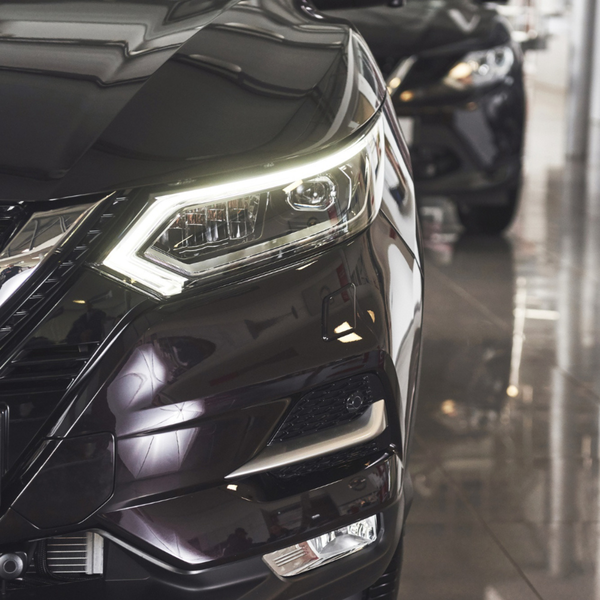
The automotive industry continues to demand higher coating performance standards. Beyond providing an attractive finish, automotive coatings must also protect vehicle surfaces from harsh environmental conditions.
Exposure to UV radiation, acid rain, extreme temperature fluctuations, high humidity, and air pollution can accelerate coating degradation if the formulation is not properly designed.
To address these challenges, modern coating manufacturers rely on specialty additives specifically engineered to improve weather resistance, maintain color stability, and extend the service life of automotive paint systems.
In this article, we explore how specialty additives enhance extreme weather resistance in automotive coatings and why selecting the right additives is critical for modern coating formulations.
Challenges of Extreme Weather Exposure in Automotive Coatings
Vehicles operating outdoors are constantly exposed to environmental factors that can damage coating systems.
Some of the most common causes of coating degradation include:
- Ultraviolet (UV) radiation
- Intense solar heat
- Rain and humidity
- Daily temperature fluctuations
- Air pollution
- Salt exposure in coastal environments
- Chemical contaminants from the surrounding environment
Without adequate protection, coatings may experience:
- Color fading
- Loss of gloss
- Chalking
- Cracking
- Delamination
- Reduced corrosion protection
These issues can significantly impact both vehicle appearance and long-term durability.
Why Weather Resistance Matters in Automotive Coatings
Automotive coatings serve more than just a decorative purpose. They act as a protective barrier that preserves the integrity of the vehicle’s surface.
Strong weather resistance delivers several important benefits:
Maintaining Vehicle Appearance
Weather-resistant coatings help preserve color vibrancy, gloss retention, and overall visual appeal over time.
Reducing Maintenance Costs
More durable coatings require fewer repairs, less frequent repainting, and lower maintenance expenses throughout the vehicle's lifecycle.
Enhancing Product Value
For vehicle manufacturers, coating quality is a key factor influencing consumer perception and overall product value.
The Role of Specialty Additives in Automotive Coatings
Achieving superior coating performance requires more than just selecting the right resin and pigments.
Modern automotive coating formulations utilize a variety of coating additives to enhance specific performance characteristics, especially when facing extreme environmental conditions.
1. UV Stabilizers
Ultraviolet radiation is one of the leading causes of automotive coating deterioration.
Continuous UV exposure can result in:
- Resin degradation
- Color fading
- Gloss reduction
- Film damage
Benefits of UV Stabilizers
UV stabilizers work by absorbing or blocking harmful UV energy before it can damage the coating structure.
Key advantages include:
- Improved UV resistance
- Reduced fading
- Better color retention
- Extended coating lifespan
In premium automotive coatings, UV stabilizers are considered an essential formulation component.
2. Hindered Amine Light Stabilizers (HALS)
In addition to UV stabilizers, Hindered Amine Light Stabilizers (HALS) are widely used in automotive coating systems.
HALS function by inhibiting degradation reactions caused by prolonged sunlight exposure.
Benefits of HALS
- Improved gloss retention
- Reduced chalking
- Enhanced coating durability
- Better film integrity
The combination of UV stabilizers and HALS often provides long-term outdoor protection for vehicles operating in demanding environments.
3. Antioxidant Additives
Continuous exposure to heat and oxygen can accelerate oxidation processes within a coating system.
Oxidation may lead to:
- Color changes
- Brittleness
- Reduced flexibility
- Premature coating failure
Benefits of Antioxidant Additives
Antioxidants help:
- Slow thermal degradation
- Improve heat resistance
- Maintain coating stability
- Extend protective coating life
These additives are especially valuable for vehicles operating in regions with high temperatures and intense sunlight.
4. Wetting and Dispersing Agents
Poor pigment distribution can negatively affect weather resistance performance.
Wetting and dispersing agents help achieve:
- More uniform pigment distribution
- Improved color stability
- Consistent gloss levels
- Better coating film homogeneity
Optimized pigment dispersion allows coatings to maintain their performance longer when exposed to harsh weather conditions.
5. Rheology Modifiers
Rheology modifiers play a critical role in controlling:
- Viscosity
- Flow behavior
- Leveling
- Application stability
A uniform coating film provides superior environmental protection compared to uneven or inconsistent coatings.
By ensuring proper film formation, rheology modifiers contribute directly to long-term weather resistance.
6. Anti-Corrosion Additives
Corrosion protection is one of the primary functions of automotive coatings.
Anti-corrosion additives help:
- Reduce water penetration
- Improve protection against metal oxidation
- Extend substrate life
- Enhance overall coating system durability
These additives are particularly important for vehicles exposed to coastal environments, road salts, and high-moisture conditions.
Combining Additives for Maximum Weather Resistance
No single additive can provide all the protection required for automotive coatings.
As a result, modern formulations often combine multiple additive technologies to create a comprehensive protective system.
This synergistic approach enables coatings to withstand multiple environmental stress factors simultaneously while maintaining long-term performance.
Other Factors That Influence Weather Resistance
While additives play a significant role, several other factors also impact coating durability.
Resin Selection
Different resin technologies offer varying levels of weather resistance.
Resins such as:
- Acrylics
- Polyurethanes
- Advanced polyesters
are commonly selected for their superior outdoor durability.
Pigment Quality
Pigments with high lightfastness retain their color more effectively during prolonged outdoor exposure.
Coating Film Thickness
Proper film thickness enhances protection against UV radiation, moisture, and environmental contaminants.
Application Process
Correct application techniques ensure consistent film formation and maximize coating performance.
Trends in Modern Automotive Coatings
Today's automotive coating industry is moving toward formulations that offer:
- Greater weather resistance
- Lower VOC content
- Improved sustainability
- Longer service life
- Enhanced durability
Advancements in specialty additive technologies have become a key driver in helping manufacturers achieve these goals while maintaining production efficiency and regulatory compliance.
Looking to Improve Weather Resistance in Your Automotive Coating Formulation?
Enhancing weather resistance requires the right combination of resins and specialty additives.
PT Jaya Warindo Abadi provides a comprehensive range of raw materials and specialty additives for the coating industry, including technologies designed to improve:
- UV resistance
- Gloss retention
- Color stability
- Corrosion protection
- Coating durability
Our technical team can assist with:
- UV stabilizer and HALS selection
- Anti-corrosion additive solutions
- Resin and coating additive optimization
- Coating performance troubleshooting
- Development of high-durability coating formulations
Contact our team today to receive expert recommendations and discover the ideal coating solutions for your industrial applications.
Conclusion
Extreme weather resistance has become a critical performance requirement in modern automotive coatings.
UV radiation, heat, rain, humidity, and pollution can rapidly degrade coatings that lack adequate protection.
Specialty additives such as UV stabilizers, HALS, antioxidants, wetting agents, rheology modifiers, and anti-corrosion additives play a vital role in enhancing weather resistance and extending coating lifespan.
By combining the right additives with a well-designed formulation, automotive coatings can maintain vehicle appearance while delivering long-lasting protection against even the most challenging environmental conditions.